
Welcome to Matagorda Beach!
Matagorda, Texas has approximately 58 miles of beach. 23 miles of the beach east of the Colorado River is open to vehicles. The remaining 35 miles of beach is west of the Colorado River and only accessible by boat, kayak, canoe or other watercraft.
On the East side there is 23 miles of beach to explore. There is great fishing, wildlife viewing and beachcombing opportunites on the beach. If you are willing to drive a little ways down beach, you can always find solitude on Matagorda Beach. You can drive all the way to Mitchel’s Cut and look at Sargent Beach on the other side. There are trash cans on the beach for the first 3 miles. The land behind the dunes is a mix of public and private property. Some of the trails behind the dunes have recently been closed to vehicle traffic by Texas Parks and Wildlife as part of the Matagorda Peninsula Coastal Management Area. There are signs on the back trails to warn of restricted areas. You will encounter mosquitos on the back beach. Driving in the dunes and damaging the native grasses is illegal so stay on the established trails or the beach. Check out the Emergency Info page before you go.
For those willing to walk a few miles or more West Beach has the best beachcombing since it is isolated from the heavier traffic on the other side of the river. The beach is public property in Texas, but all the land behind the vegetation line is private on the west side. Do not venture off the beach or you could be charged for trespassing. You can rent a kayak at Grassy Point Kayak or The Matagorda Bay Nature Park if you want to get to West Beach and paddle across the river or out and around the west jetty on a calm day.
Directions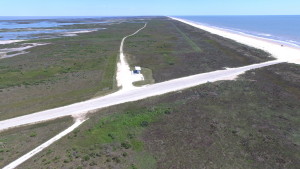 There are two entrances to Matagorda beach. To get to the main beach entrance from Matagorda, go south on FM2031 for approximately 7 miles. Turn left onto the public beach access road (there is a sign). Drive until the road ends at the beach. You can drive onto the beach or park at the bathrooms.
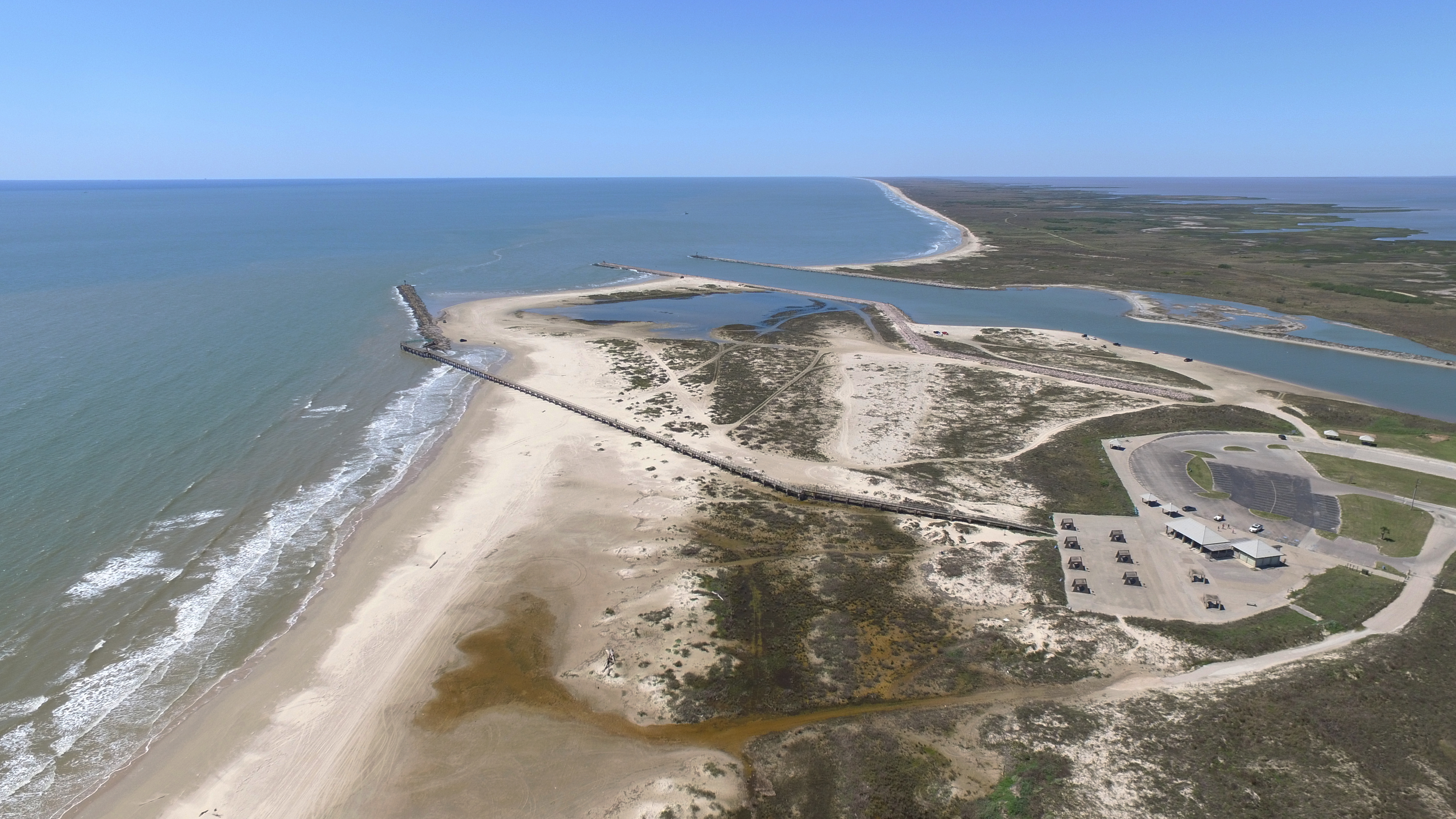 To get to Jetty Park, continue straight on FM2031 past the beach access road. FM2031 dead ends into Jetty Park next to the Matagorda Bay Nature Park. There is a beach entrance on the west side of the parking lot. To access the beach east of Jetty Park you can drive under the Pier when the tide is low enough. Watch your clearance when you go through.
Camping on Matagorda Beach
Camping on the beach is welcomed in Matagorda and there are no additional fees to camp. You can camp anywhere on the beaches in Matagorda county including Jetty park and west beach for up to 72 hours. Tents and RVs are permitted but beware of the soft sand if you are bringing an RV. See below for information on parking areas if you do not or can not drive onto the sand.
Driving on Matagorda Beach
You will need an annual $10 Matagorda County Beach Vehicle Permit in order to drive onto Matagorda Beach. The sand on Matagorda Beach can be very soft so drive with caution. If you do not have a 4×4 vehicle you are cautioned against driving onto the beach at all most of the time although the county does grade the beach entrance during the summer. Yield to traffic headed off the beach and anyone with their hazards on – they could have an emergency. The beach is a state highway and all normal driving regulations apply. The speed limit on the beach is 15 mph. Do not drive in the dunes. It is illegal and damages our island causing beach erosion. You are permitted to follow an established trail through the dunes and into the marsh area, but stay on the trail and do not damage the native grasses. Beware of the Matagorda mud back there. It can be deeper and thicker than it looks and could take a tank to get you out. Check out our page on beach driving tips before you go. See the Emergency Info page for towing info if you get stuck on the beach. The Matagorda Offroad and Recovery Facebook Group is your best bet if get stuck and need help. Make sure to check out the beach rules & regulations before you go.
Swimming
Matagorda beach is a great place to go swimming, but you should check the conditions when you get there. Swimming near the jetties, piers and passes is dangerous due to the rip currents in those area. Mitchell’s Cut and the mouth of the Colorado River often have very swift currents. Most drownings on the beach occur in these areas and are preventable. When the waves are large on the beach, the riptides will get stronger. Make sure you KNOW WHAT TO DO IF CAUGHT IN A RIPTIDE! There are loaner life jackets at the main beach entrance. Please consider borrowing one if you have children or if you are not a good swimmer. Stay in shallow water when riptide warnings are in effect and swim sideways to escape a rip current if you get caught in one. It is always best to have someone on the beach to call for help if you do get in trouble. If you have any doubts or questions about the conditions, ask a local. The people in Matagorda are very friendly and will happily give you advice.